
Sukhothai wasn’t part of our itinerary during our first visit to Thailand. I only learned of it when we got back from our vacation. It came up while searching for UNESCO World Heritage Sites in South East Asia. For our trip to Indonesia, I think.
Naturally, I made sure to allot time to see the Historic Town of Sukhothai the second time we visited Thailand. I also wanted to see Sukhothai’s Associated Historic Towns, Si Satchanalai and Kamphaeng Phet, but that would mean missing the Yee Peng festivities in Chiang Mai.
Be Informed
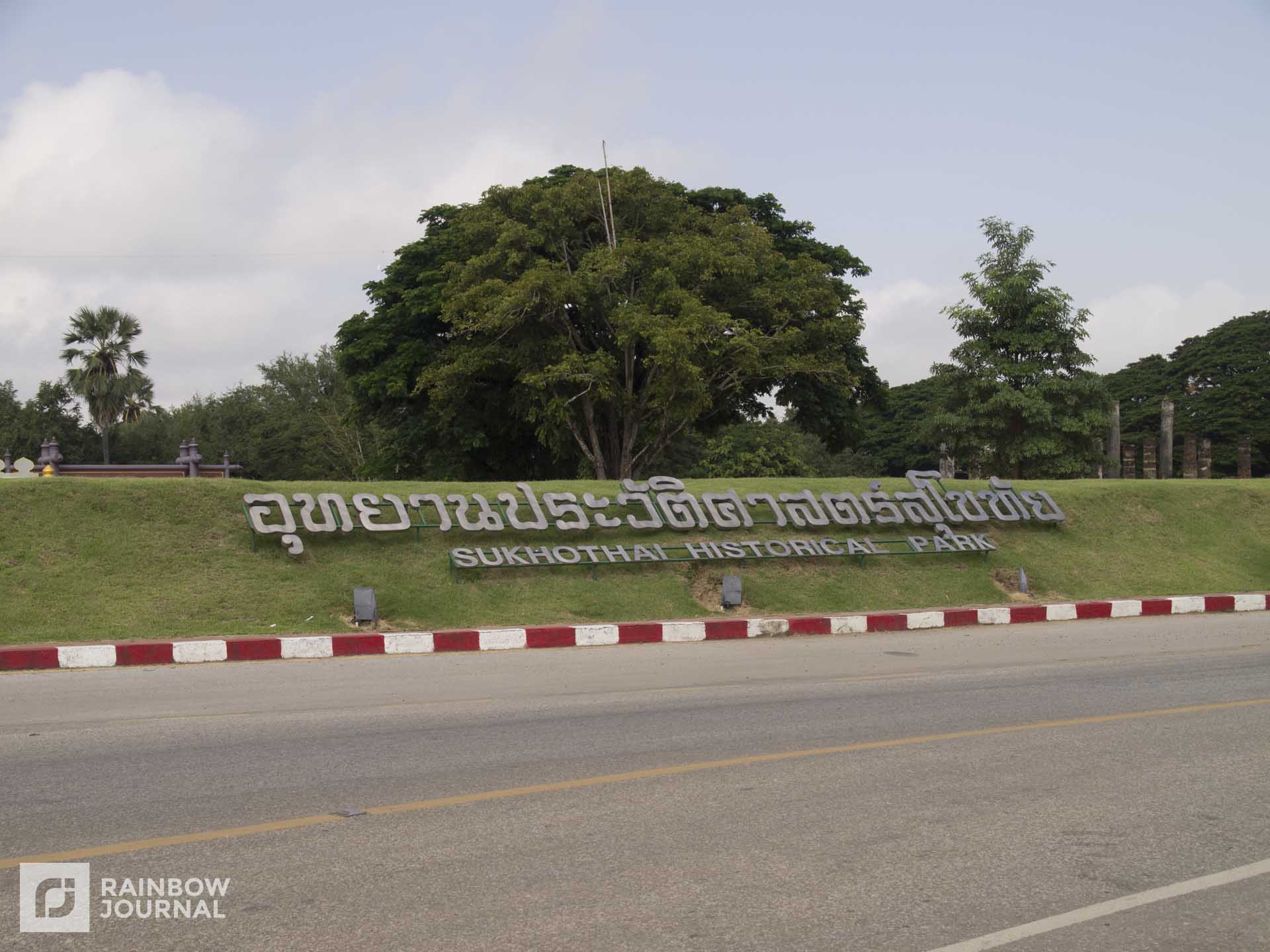
Much of the old city has been turned into a park. About a third, near the former capital’s eastern gate, is residential. This area also houses most accommodations and restaurants within the walls of old Sukhothai.
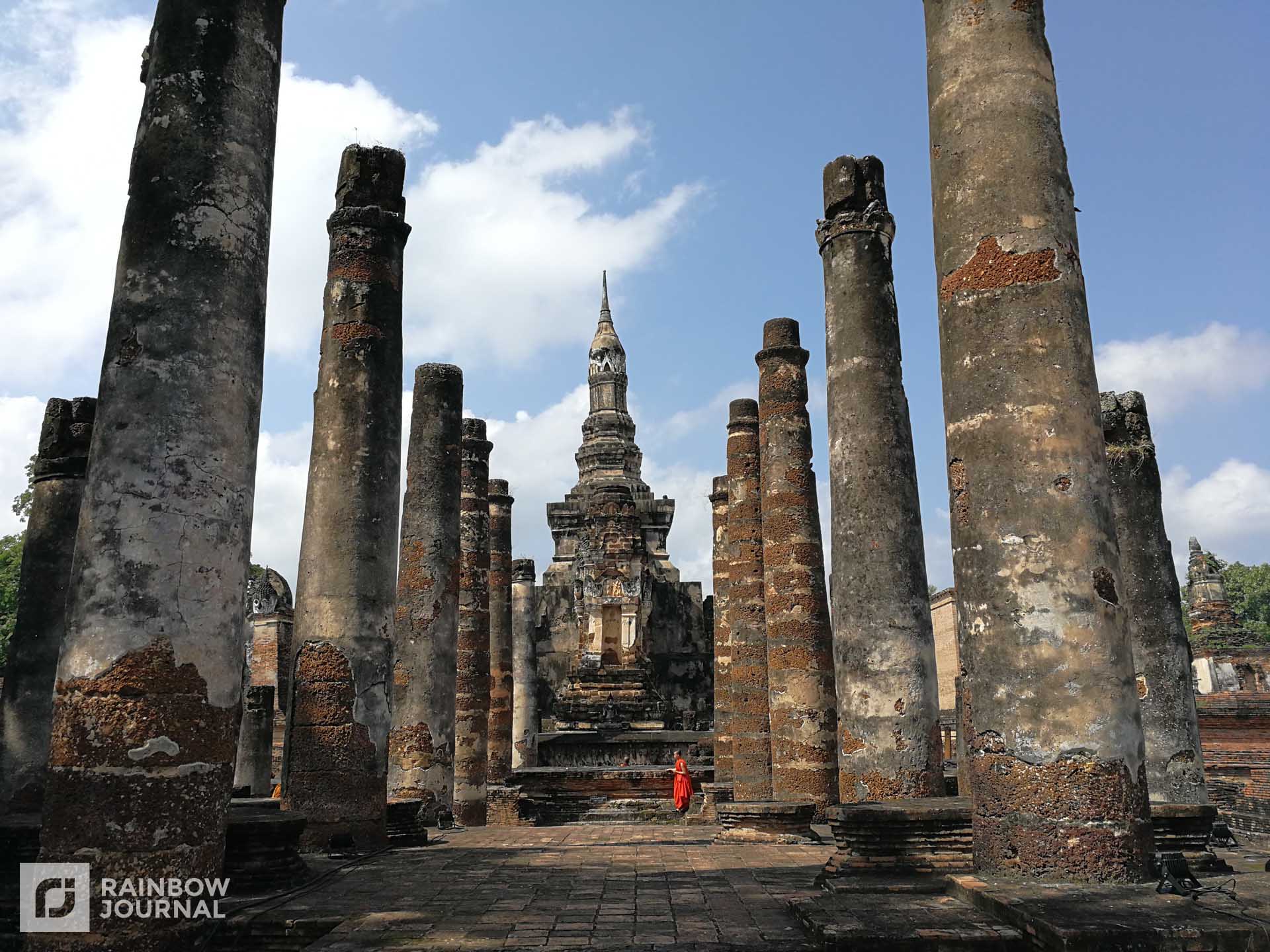
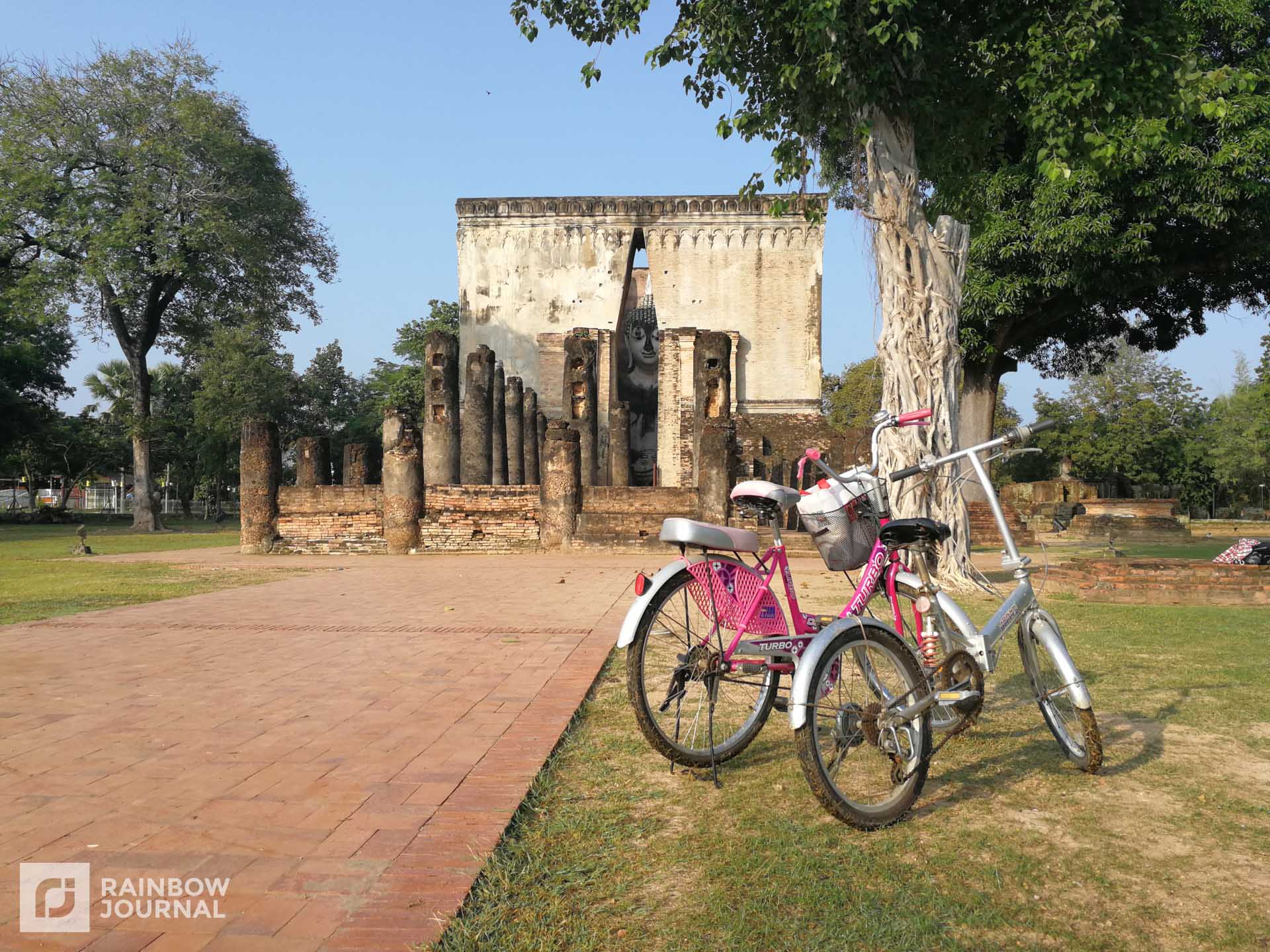
There are several ruins in and outside of the old city walls. In many of them, only pillars remain. Some are only mounds of brick. It’s best to choose which ones you’d like to see. Temples within the old city are walking distance from each other. Bike rentals are available. We decided to walk in a clockwise route to explore the central zone. Bring water. Stores inside the compound are few and far between.
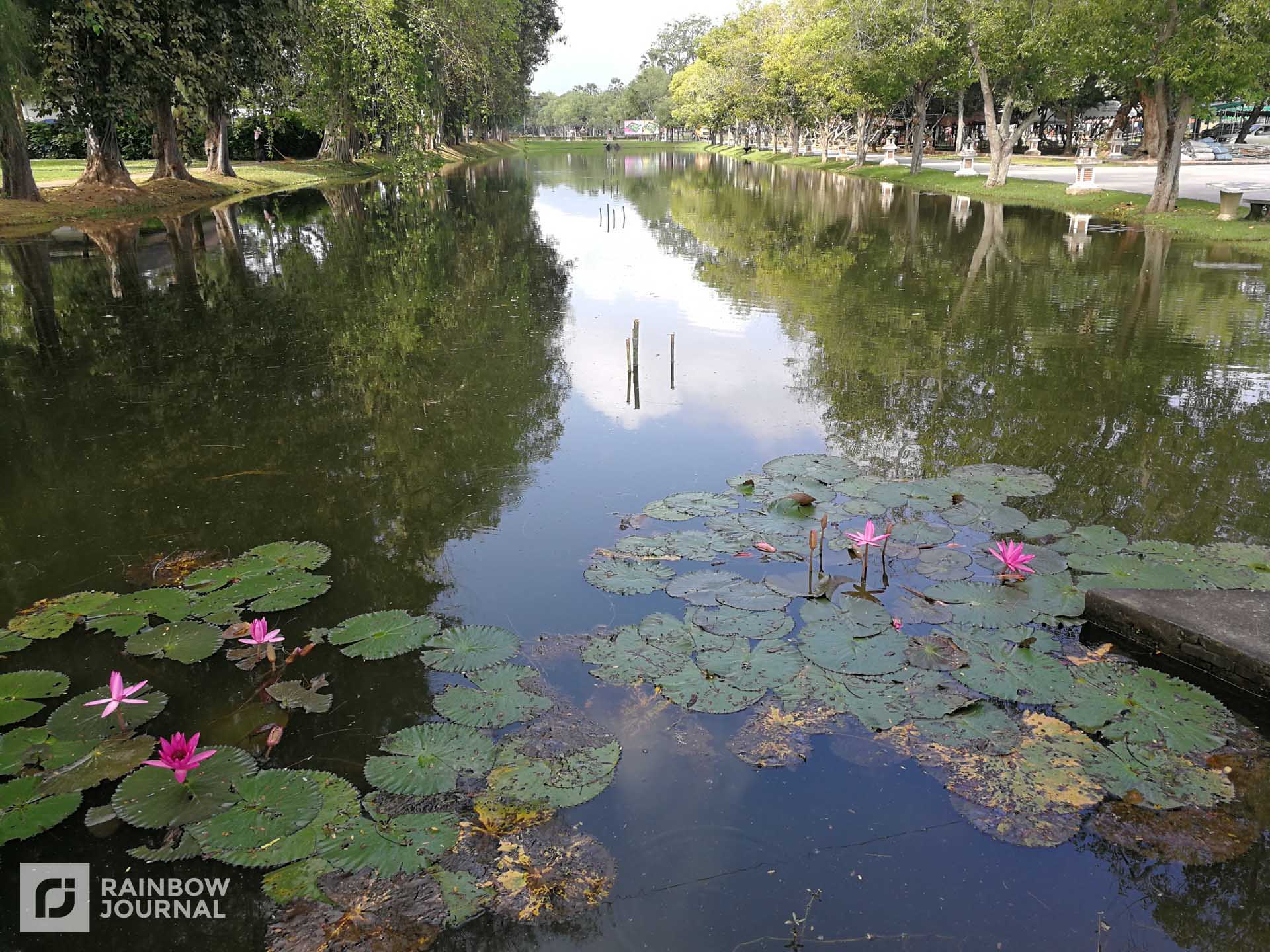
There is no dress code when visiting the temples. Though many are considered sacred sites, so please be mindful. Never go up platforms of the statues of Buddha.
The operating hours are from 6:00 am to 9:00 pm.
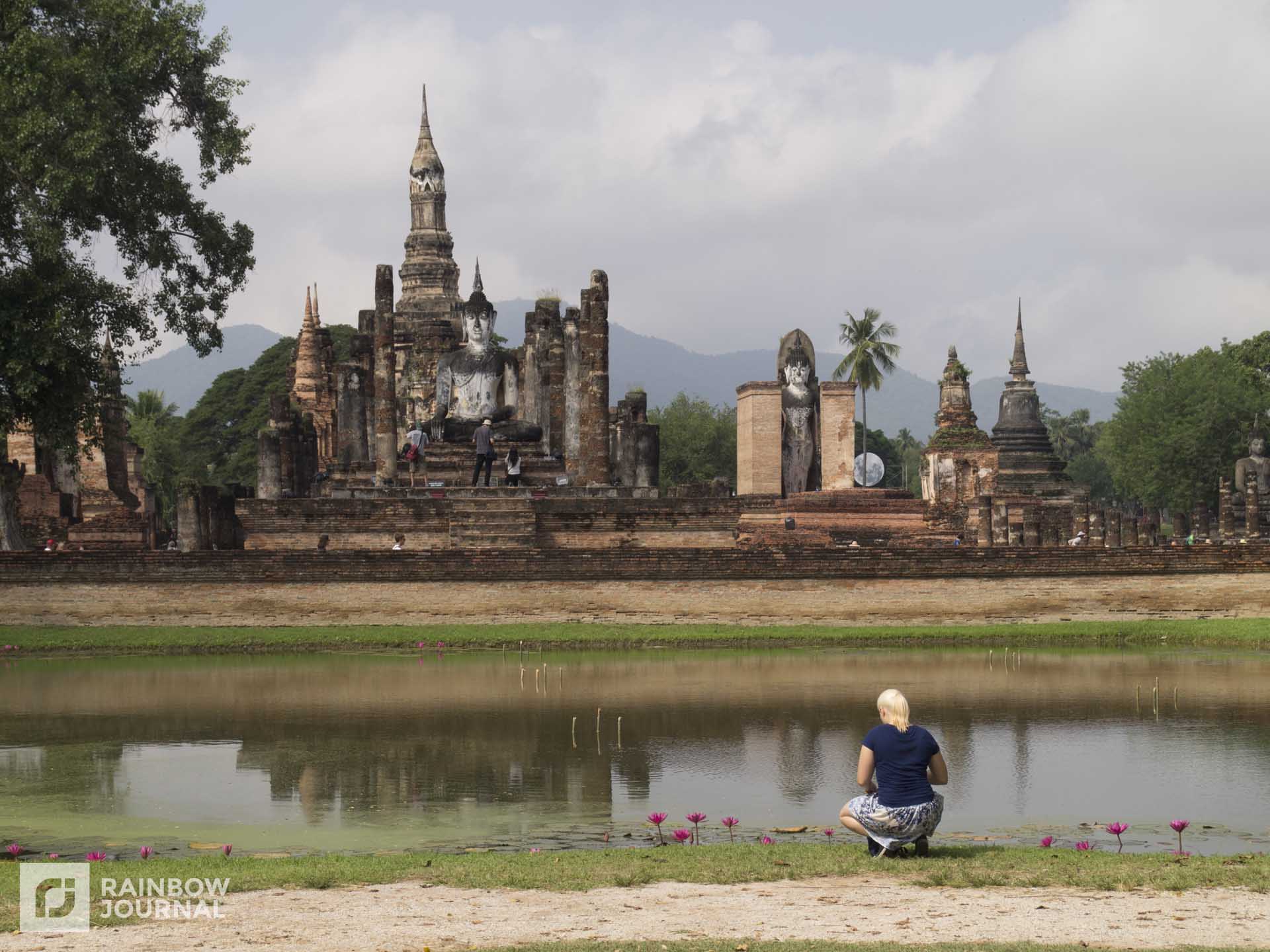
Wat Maha That
Right in the middle of the old city is Wat Maha That. This temple is the biggest and, in my opinion, the most impressive ruin in the Sukhothai Historical Park. You can easily spend a good couple of hours walking around and admiring the many details hidden in its nooks and crannies.
Wat Maha That draws the most people. Come real early as soon as the park opens, or leave it as your last stop before the park closes if you want to avoid the crowds.
Wat Si Sawai
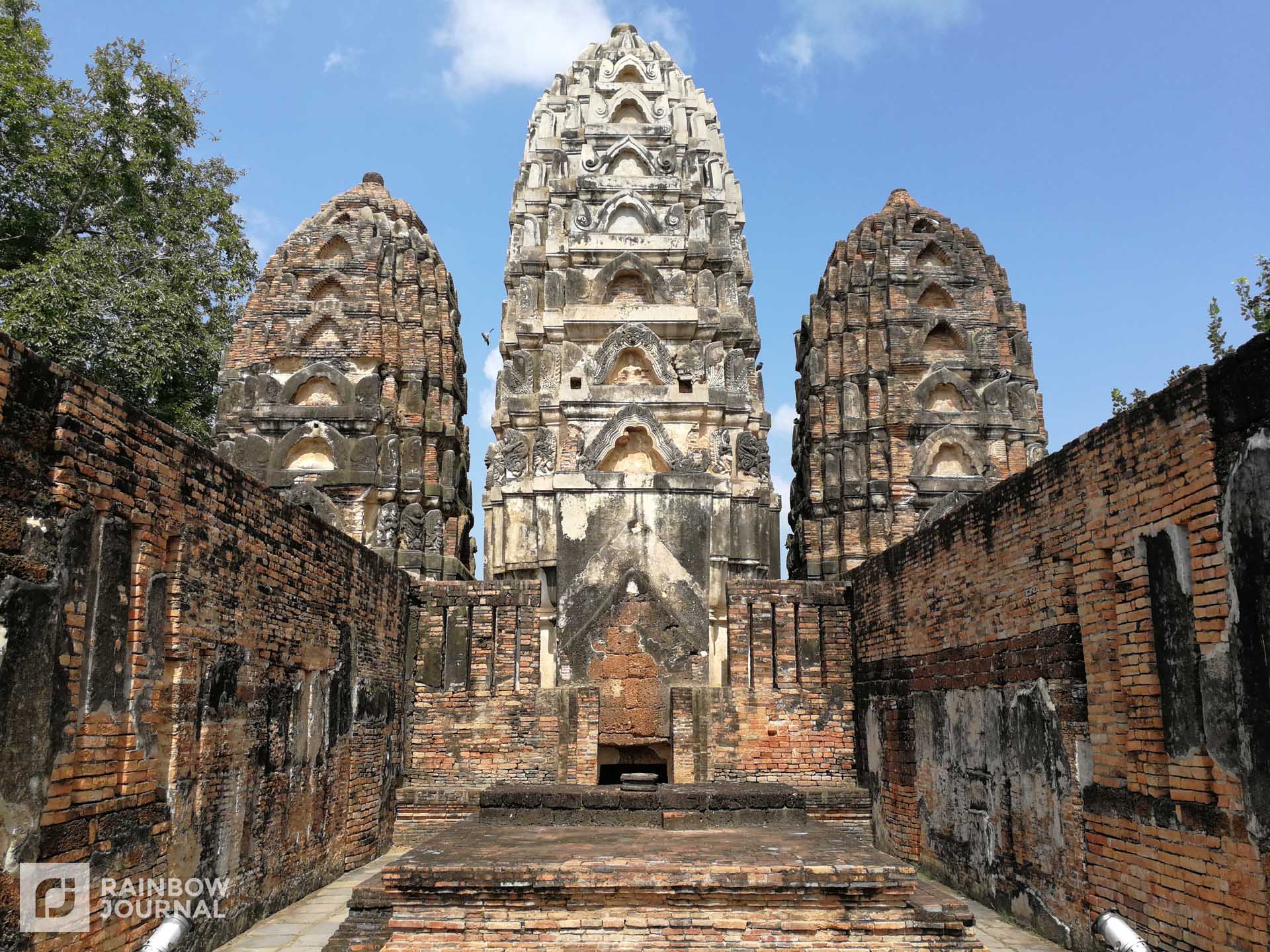
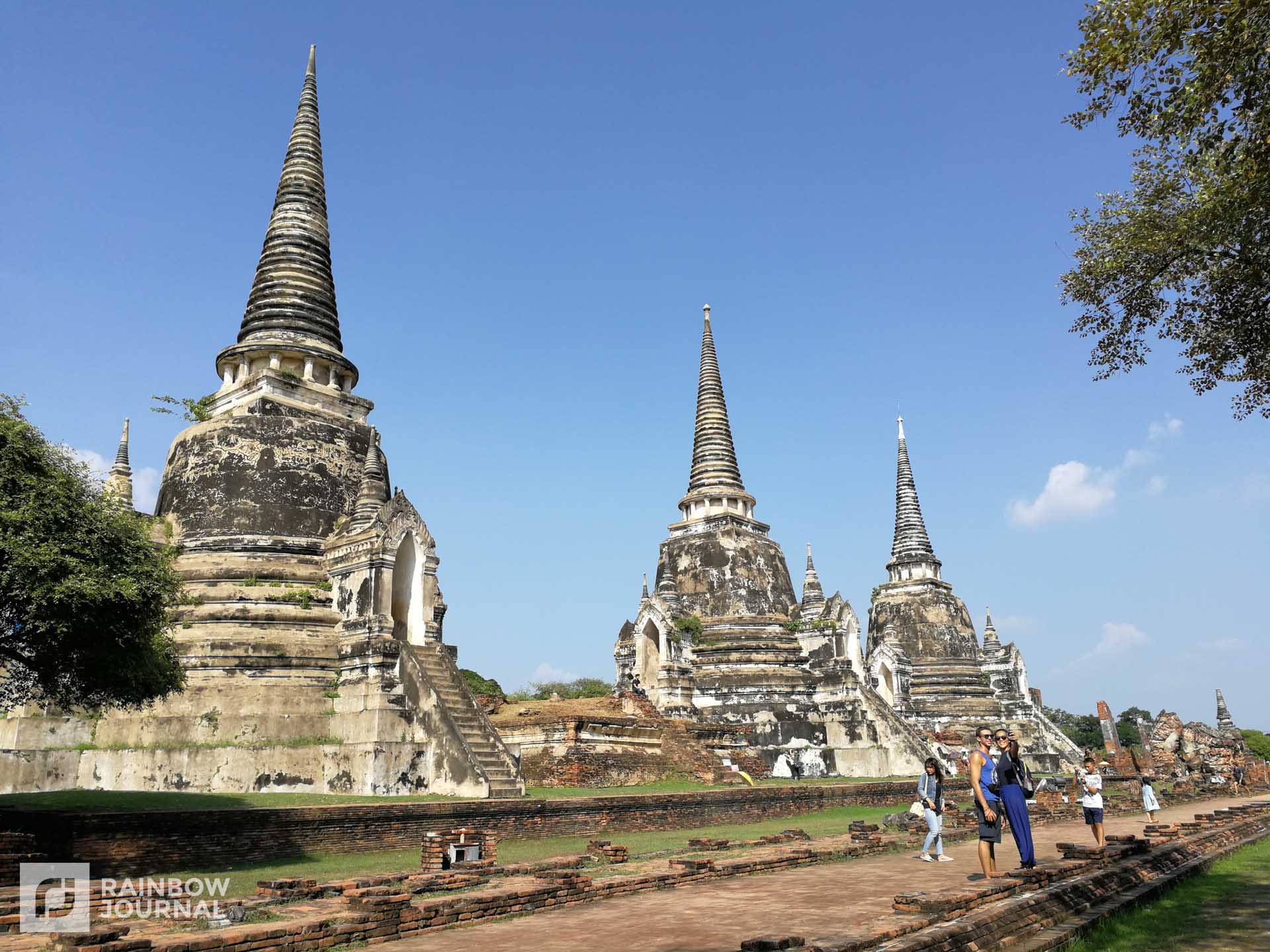
Wat Si Sawai is separated from the rest of the temples within Sukhothai Historical Park’s Central Zone. This small temple is worth a visit. Tree-covered roads lead to the temple.
Wat Si Sawai’s three towers are some of the best preserved in the park. You can even see the teeth of the Nagas adorning the towers.
Wat Traphang Ngoen
Wat Traphang Ngoen is a small temple west of Wat Maha That. An interesting feature of this temple is the Buddha stucco beside the main ruins.
There is a small island east of Wat Traphang Ngoen. Accessible by a bridge, the island offers a nice view of the ruins.

Wat Sa Sri
Wat Sa Sri sits in the largest pond within the Sukhothai Historical Park’s Central Zone. Many things were being set up on this part of the park in preparation for the Loy Krathong festivities.
There are two bell-shaped chedis at Wat Sa Sri. Look for the statue of the walking Buddha.
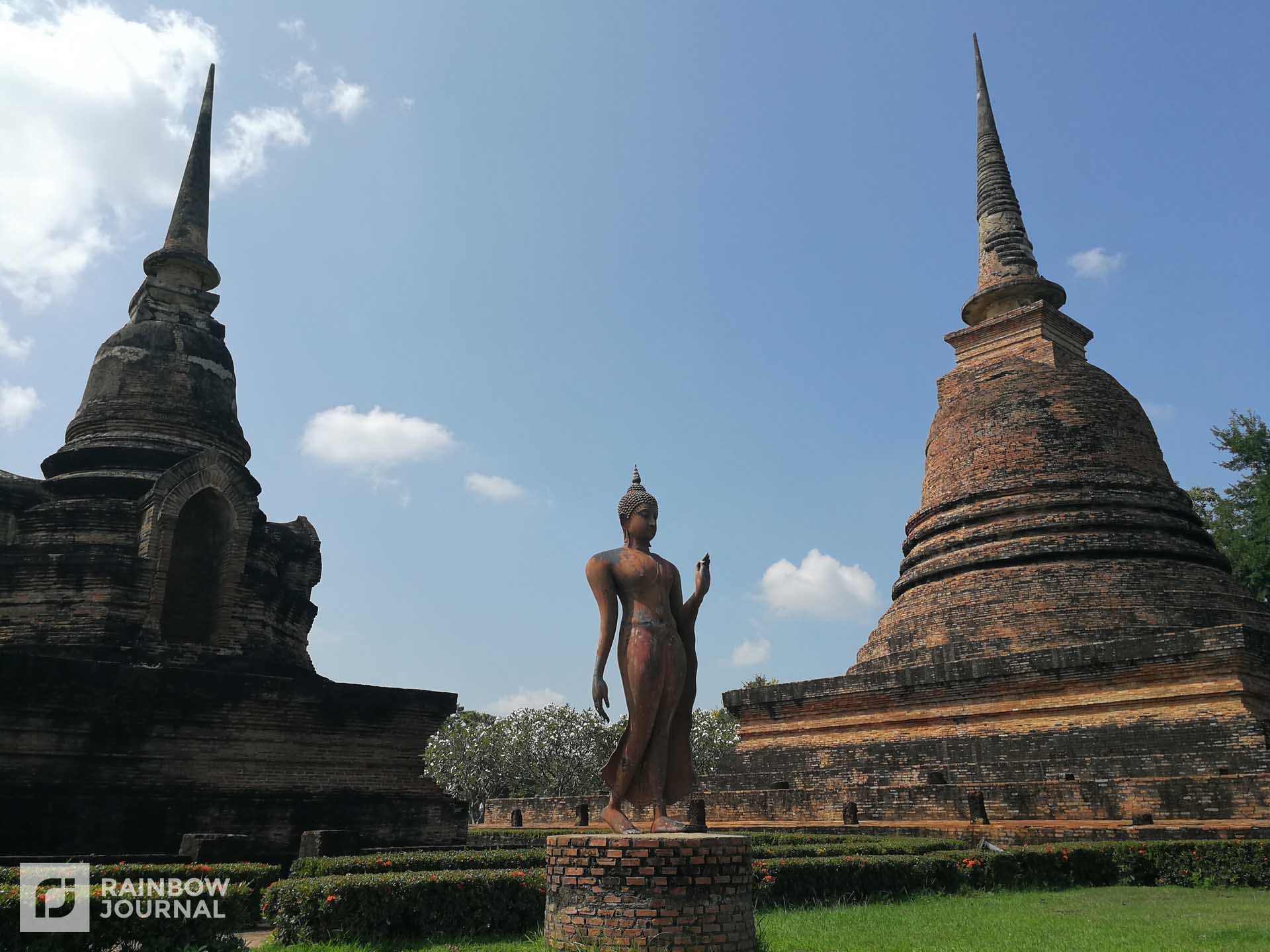
Wat Chana Songkhram
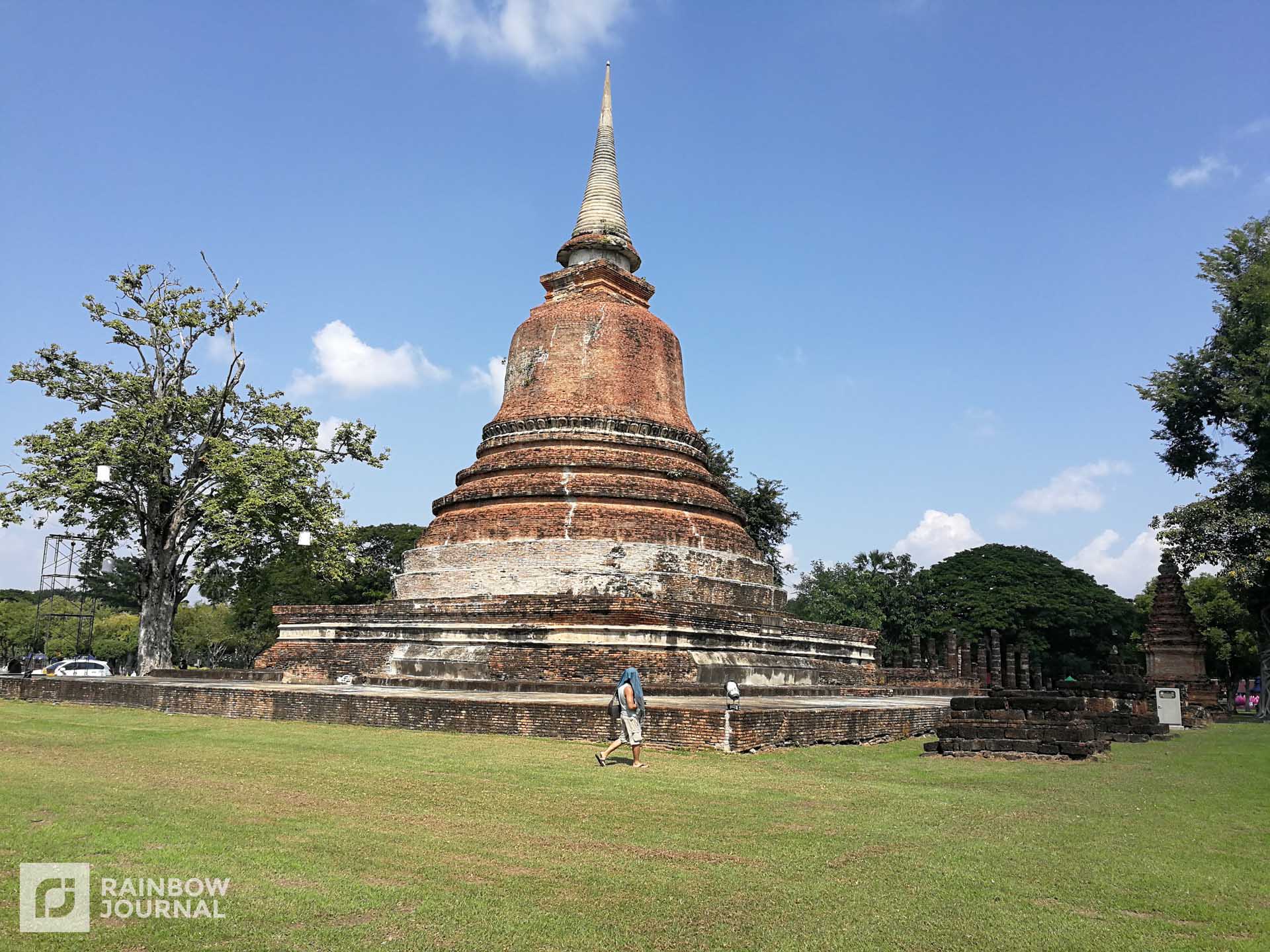
The main feature of Wat Chana Songkhram is a huge bell-shaped chedi surrounded by smaller ones. This temple is an excellent area to rest your feet under one of the many mature trees surrounding the ruins.
King Ramkamhaeng Monument
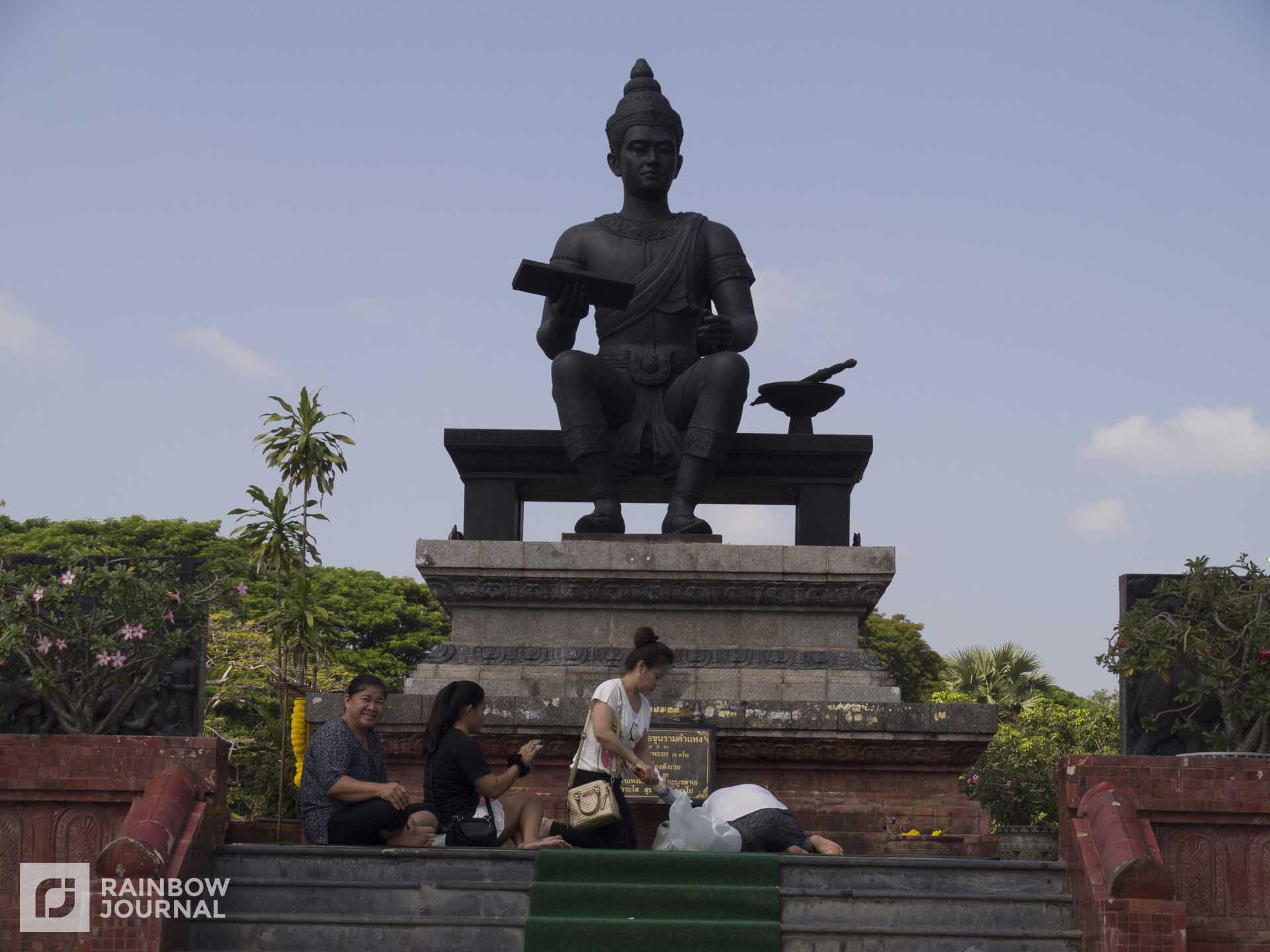
Despite the afternoon heat, several people laid offerings at the statue of King Ramkamhaeng The Great. Remove your shoes if you go to the topmost platform near the statue.
Wat Traphang Thong
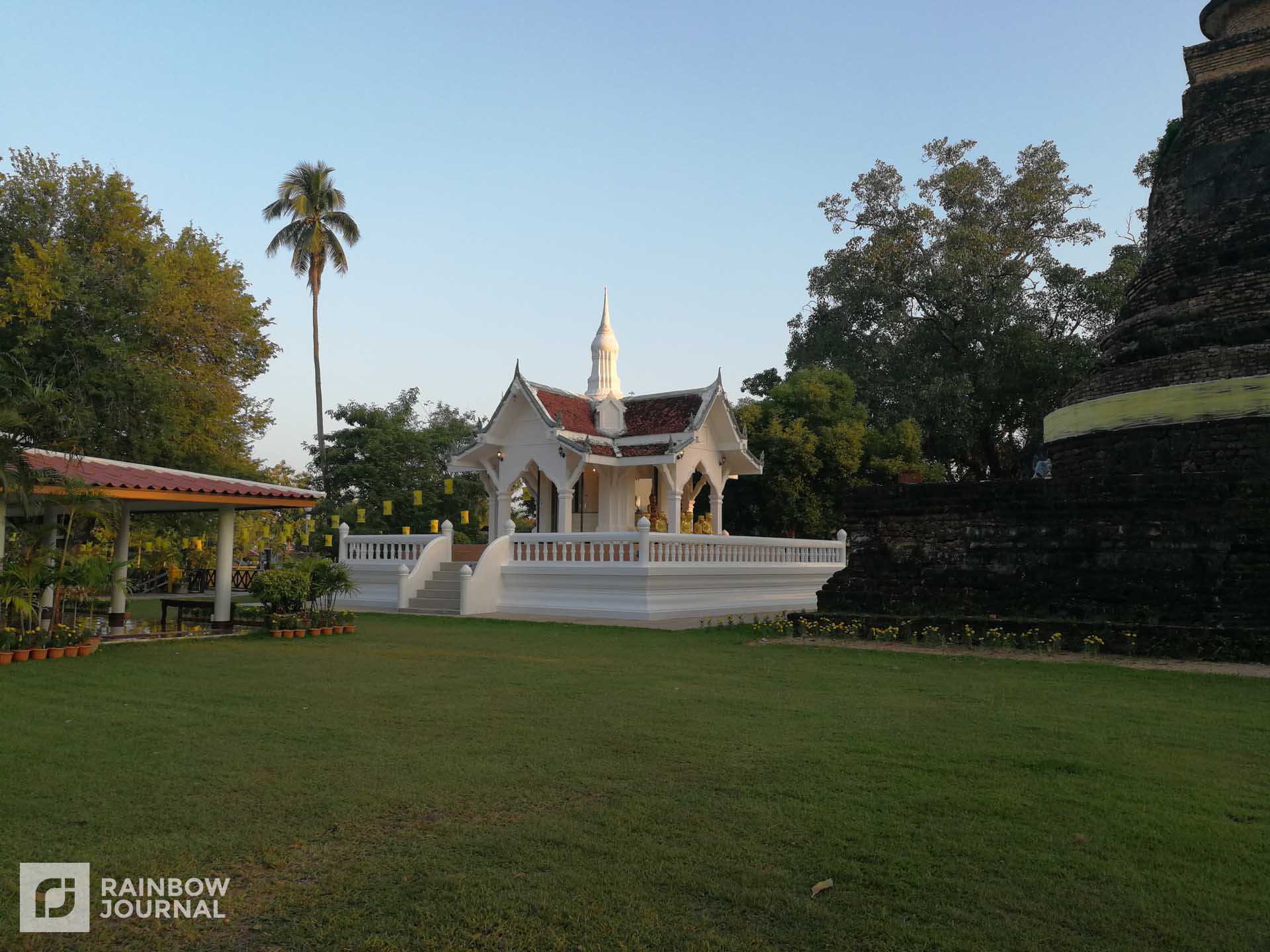
East of the entrance to Sukhothai Historical Park’s Central Zone, Wat Traphang Thong is one of the first temples you’ll see as soon as you enter the old city. The temple, located in the middle of a pond, is accessible by two wooden bridges.
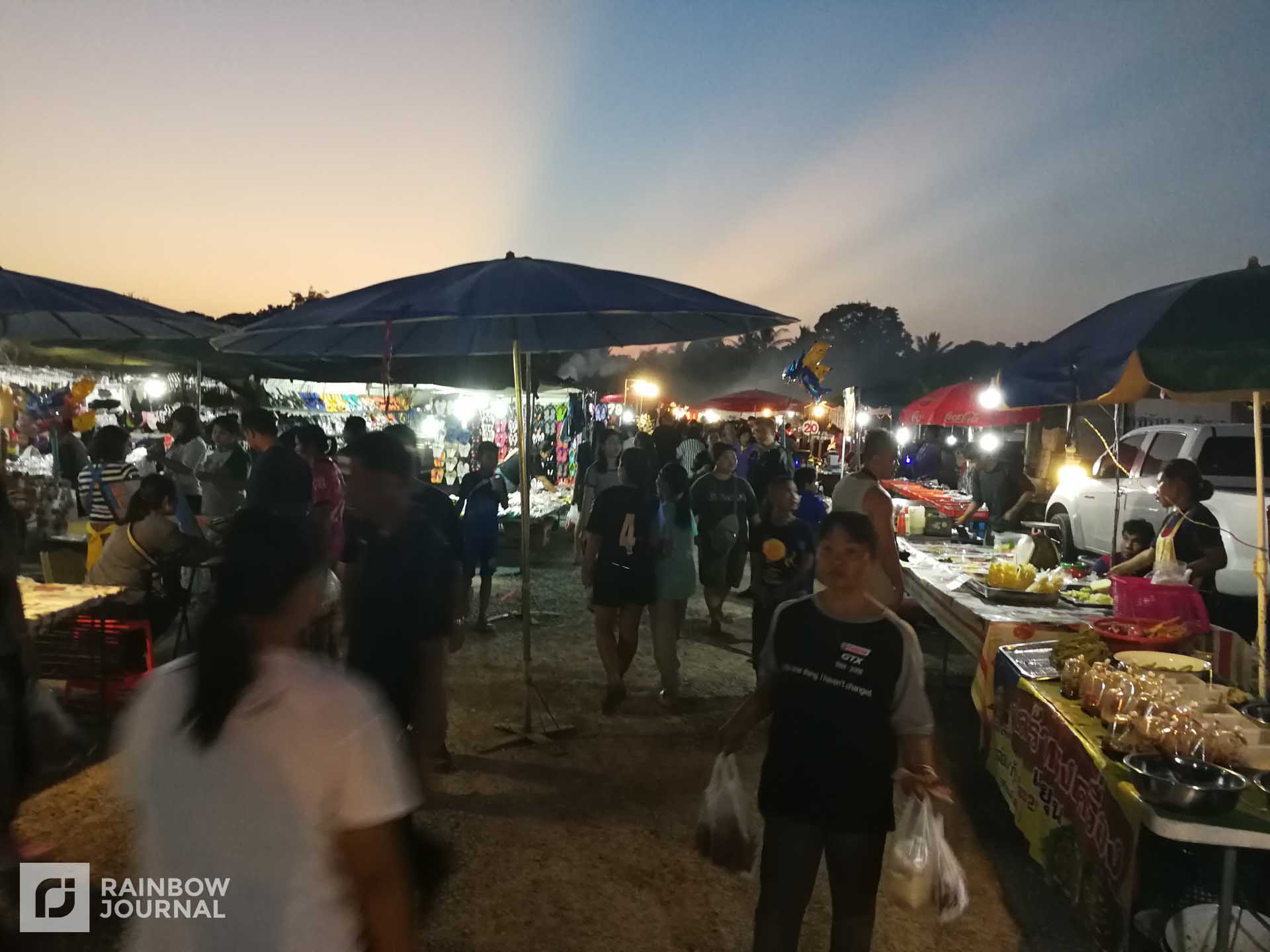
Wat Traphang Thong is a working monastery. Many locals come here to feed the many humongous fishes in the pond. East of the temple is a market. Unfortunately, the market closes early. Most of the shops were already closed when we got there late afternoon.
Final Thoughts
Another UNESCO World Heritage Site checked off my list. I set a personal goal of visiting at least 20 sites. Hmmm. I’d have to write a post about this soon.
I’m glad I included Sukhothai Historical Park in our itinerary this time. It’s indeed worth visiting. I only wish we had more time to see its sister towns of Si Satchanalai and Kamphaeng Phet.
0 Comments